



Orthognathic Jaw Surgery Recovery Guide: Do’s and Don’ts
By REFACE Oral and Maxillofacial Surgery (OMFS) Hospital
The post-discharge period after orthognathic surgery is one of the most important stages of the overall jaw surgery recovery process. Proper postoperative care can directly support safe healing, reduce the risk of complications, and help the jaw and facial tissues recover as planned.
For this reason, the doctor has summarized the essential jaw surgery aftercare guidelines, recovery instructions, and postoperative do’s and don’ts in detail, so patients can follow each step correctly and safely throughout their orthognathic surgery recovery.
1. Breathing and Airway Management After Orthognathic Jaw Surgery
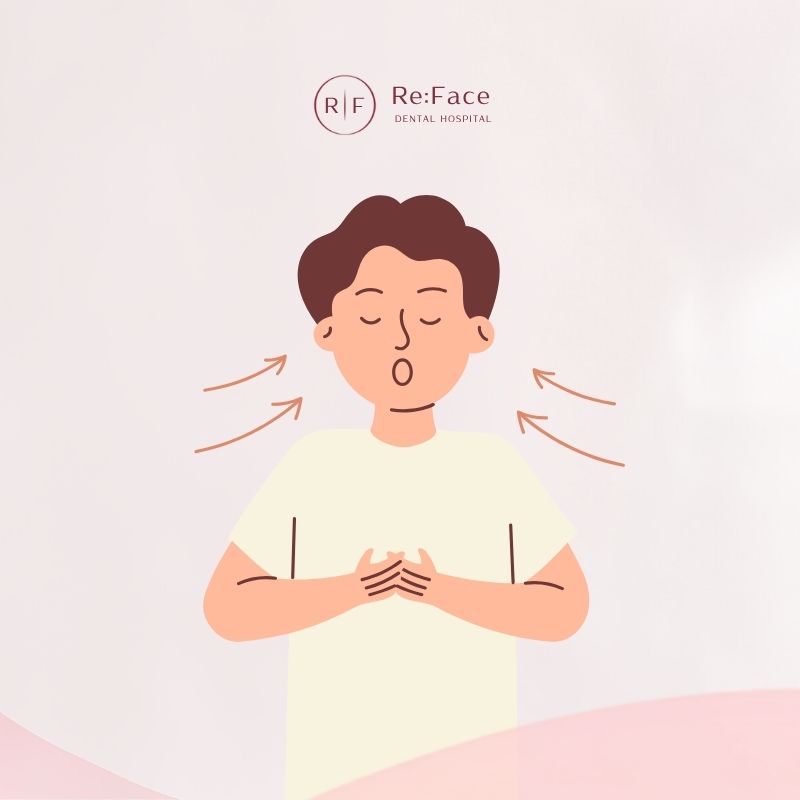
During the first week after discharge following orthognathic surgery, special attention should be paid to breathing and airway management. Whenever possible, patients should try to breathe through the nose. However, if nasal congestion or swelling makes nasal breathing difficult, breathing through the mouth may be necessary until the nasal airway becomes more comfortable.
Emergency Situation: If you experience sudden or rapidly increasing swelling, significant bleeding, or difficulty breathing after jaw surgery, treat it as an airway emergency. If your teeth are being held together with intermaxillary elastics jaw surgery rubber bands) and you cannot breathe adequately, the elastics may need to be cut or removed immediately to release the jaw and open the airway, followed by urgent contact with the hospital or your oral and maxillofacial surgeon (OMFS) for further instructions. Postoperative guidance from oral and maxillofacial surgery centers similarly advises releasing elastics in situations such as severe breathing difficulty, excessive bleeding, choking, or other true airway emergencies.
In a genuine breathing emergency, maintaining a clear airway takes priority. Temporarily releasing the elastics is an emergency measure; patients should contact their surgical team as soon as possible afterward so the jaw position, bite, and elastics can be reassessed appropriately.
2. Dizziness and Lightheadedness After Jaw Surgery

During the first week after jaw surgery, some patients may experience dizziness or lightheadedness for several reasons. Common contributing factors can include difficulty breathing, postoperative blood loss, inadequate food or fluid intake, and standing up or changing position too quickly.
These symptoms may be more noticeable during the early jaw surgery recovery period, especially when the body is still adjusting after surgery. Patients should move slowly when sitting up or standing and make sure they are getting enough nutrition and hydration according to their postoperative instructions.
- What to Do If You Feel Dizzy, Lightheaded, or Unsteady: Do not force yourself to remain standing. Sit down on the floor immediately to prevent a fall. If the dizziness or faint feeling does not improve, lie down in a safe position and avoid getting up suddenly. General first-aid guidance also recommends sitting or lying down when you feel faint and rising slowly only after symptoms improve.
- Why You Should Lie on Your Side: When experiencing dizziness or faintness after orthognathic surgery, lying in a side-lying or recovery position can help keep the airway clear and allow saliva, blood, mucus, or other fluids to drain from the mouth rather than collect toward the airway. Recovery-position guidance similarly notes that side-lying helps maintain an open airway and reduces the risk of choking on fluids.
For this reason, if you feel faint or become less responsive during the early jaw surgery recovery period, avoid lying flat on your back and follow the postoperative positioning instructions provided by your oral and maxillofacial surgery team.- Travel Precautions During Jaw Surgery Recovery: During the first week after orthognathic surgery, avoid crowded public transportation or situations that require prolonged standing, especially if you are still experiencing dizziness, weakness, or lightheadedness. It is also advisable to avoid saunas, hot spas, and excessive heat exposure during the early postoperative recovery period.
For your first follow-up appointment after hospital discharge, you should ideally have a caregiver, family member, or companion accompany you, particularly if you are still feeling weak or unsteady.
3. Recommended Sleeping Position During Orthognathic Jaw Surgery Recovery

Sleeping Position: If you can breathe comfortably, you may sleep on your back on a flat bed. However, if you feel uncomfortable, congested, or have difficulty breathing after jaw surgery, use pillows to elevate your upper body and head to help improve comfort during recovery.
Side Sleeping: During the first month after jaw surgery, patients should avoid sleeping fully on their side with the jaw pressed against the pillow, as direct pressure may affect the jawbone while it is still healing and undergoing bone union. However, patients may sleep on their back and gently turn or tilt the head slightly to one side, provided that no pressure is placed directly on the healing jaw.
4. Postoperative Bleeding During Orthognathic Jaw Surgery Recovery

A small amount of bleeding or blood-stained discharge from the mouth or nose after orthognathic (jaw) surgery can occur during the first week of recovery and is often part of the normal postoperative healing process. However, sudden heavy or excessive bleeding should be treated as an emergency.
If severe bleeding after jaw surgery occurs while the teeth are being held together with intermaxillary elastics (jaw surgery rubber bands), the elastics may need to be cut or removed immediately to release the jaw and help keep the airway clear. The patient should then receive appropriate first aid and contact the hospital or oral and maxillofacial surgery team immediately for urgent evaluation and treatment. Hospital postoperative guidance specifically notes that elastics may need to be released in rare emergencies such as severe bleeding or difficulty breathing.
5. Facial Swelling and Cold/Warm Compress Care During Orthognathic Jaw Surgery Recovery

In general, facial swelling after jaw surgery usually reaches its peak around postoperative Day 3, which may coincide with the time some patients are discharged from the hospital. After reaching its peak, the swelling typically begins to gradually decrease over the following 1–2 weeks, although some residual swelling may persist for several weeks or longer as the facial soft tissues continue to heal.
- Cold Compress: Apply a cold compress after orthognathic surgery during the early period when facial swelling is increasing, particularly within the first 48–72 hours after surgery. Cold therapy can help reduce postoperative facial swelling, inflammation, and discomfort.
Once the swelling has reached its peak and begins to gradually subside, continued cold compresses are generally less necessary. The exact timing may vary depending on the surgeon’s postoperative protocol, so patients should follow the specific jaw surgery aftercare instructions provided by their oral and maxillofacial surgery team.- Signs of Infection: If the swelling has already started to decrease but then suddenly increases again after 1–2 weeks, accompanied by fever and worsening pain or tenderness, this may be a sign of a postoperative infection after jaw surgery. Patients should contact their oral and maxillofacial surgeon (OMFS) or hospital immediately for evaluation and appropriate treatment.
6. Medication Guidelines During Orthognathic Jaw Surgery Recovery

- The oral medications prescribed after jaw surgery are typically taken continuously for about one week after hospital discharge, according to the surgeon’s instructions.
- If you experience stomach irritation, abdominal pain, or diarrhea after taking medication following jaw surgery, contact the hospital or your oral and maxillofacial surgery (OMFS) team for further guidance. The doctor may need to adjust or change the prescribed medication depending on your symptoms and condition.
- If you are still experiencing pain after jaw surgery, you may take an additional dose of an over-the-counter pain reliever, such as acetaminophen (Tylenol) or ibuprofen (Advil), only if it has been approved by your surgeon and is compatible with your prescribed medications. Some postoperative protocols allow acetaminophen or ibuprofen for pain control, but the appropriate medication can vary depending on the type of surgery and the patient’s condition.
7. Oral Hygiene and Mouth Care During Orthognathic Jaw Surgery Recovery

- Brushing Your Teeth: Apply a small amount of toothpaste to a soft toothbrush and, during the early stage of orthognathic (jaw) surgery recovery, brush only the outer surfaces of the teeth because mouth opening may still be limited.
Once the wafer splint (occlusal splint) has been removed by the doctor, patients can gradually begin brushing the chewing surfaces and inner surfaces of the teeth as instructed. Maintaining proper oral hygiene after jaw surgery is important for keeping the mouth clean and supporting healthy postoperative healing.- Brushing Technique: Hold the toothbrush gently and move the brush head in small, gentle circular motions. Avoid scrubbing or applying excessive pressure to the teeth and gums.
If you cannot reach the back molars during the early stages of jaw surgery recovery, do not force the toothbrush deeper into the mouth. Postoperative cheek swelling and limited mouth opening after orthognathic surgery can make it difficult to access the innermost teeth at first. As the swelling gradually decreases and mouth opening improves, brushing these areas will become easier.- Mouth Rinsing: After every meal or drink, rinse the mouth several times with clean water to help remove food particles and prevent debris from becoming trapped around the surgical incision sites. A mouthwash or oral rinse may also be used as an additional part of postoperative oral hygiene, according to the surgeon’s instructions.
8. Diet and Nutrition During Orthognathic Jaw Surgery Recovery

Diet During the First 3–4 Weeks of Orthognathic (Jaw) Surgery Recovery — or Up to 5–6 Weeks as Advised by Your Surgeon
- Liquid Diet Only: Consume only liquid or fully blended foods, such as very finely blended porridge, milk, soy milk, yogurt, or broth. Do not chew during this stage of jaw surgery recovery, and follow the diet duration recommended by your surgeon.
- Food Preparation Precautions: If preparing porridge or other meals at home, avoid adding any hard, chewy, or fibrous ingredients, such as carrots or pieces of seafood. All foods should be fully blended into a smooth, liquid consistency that can be swallowed without chewing during the early jaw surgery recovery period.
- Nutrition: If you feel weak or fatigued during jaw surgery recovery, consider drinks that provide carbohydrates, calories, and nutritional support, such as oral nutrition supplements, to help maintain adequate energy intake. Choose products that fit your postoperative diet and follow your surgeon’s or dietitian’s recommendations.
Diet After the First Month of Orthognathic (Jaw) Surgery Recovery
- Gradually Transition to Soft Foods: After the initial liquid-diet period, patients can gradually begin eating soft foods that can be easily mashed with the tongue or gums and require little to no chewing, such as steamed egg custard, soft castella cake, finely mashed Spam, or well-cooked rice porridge.
The transition to a soft diet after jaw surgery should be gradual and follow the specific instructions provided by your surgeon to avoid placing excessive pressure on the healing jawbone.
9. Changing Intermaxillary Elastics (Jaw Surgery Rubber Bands)

- Frequency: Replace the jaw surgery rubber bands three times a day — morning, afternoon, and evening — after meals and after brushing your teeth.
- How to Wear the Elastics: Attach the intermaxillary elastics exactly in the positions instructed by your oral and maxillofacial surgeon or orthodontist. Make sure the elastics are not twisted, as they should remain properly aligned to provide the intended tension and support during orthognathic surgery recovery.
- Precautions: If the intermaxillary elastics feel uncomfortable while sleeping during the first week after orthognathic surgery, 1–2 elastics may be temporarily removed only if this has been specifically permitted by your surgeon. Elastics help guide and stabilize the postoperative bite, so they should not be changed or removed outside the prescribed instructions.
A caregiver or family member should also know how to remove the elastics in an emergency, particularly if urgent airway access is required, and should follow the emergency instructions provided by the oral and maxillofacial surgery (OMFS) team.- Duration of Wear: Intermaxillary elastics may need to be worn continuously for approximately 8–12 weeks, depending on the individual case and the surgeon’s treatment plan. Patients may be advised to continue wearing the elastics until their follow-up visit with the orthodontic clinic, unless instructed otherwise by the oral and maxillofacial surgeon (OMFS).
10. Wafer Splint (Occlusal Splint) During Orthognathic Jaw Surgery Recovery
Wafer Splint Removal: The wafer splint used to help stabilize the jaw and maintain the postoperative bite is typically removed by the surgeon around 2–4 weeks after orthognathic surgery, depending on the individual healing process and treatment plan.
Once the wafer splint is removed, patients can usually begin mouth-opening exercises and clean the inner surfaces of the teeth more easily, helping improve oral hygiene and restore normal jaw movement during the jaw surgery recovery period
11. Temporomandibular Joint (TMJ) Management During Orthognathic Jaw Surgery Recovery
While swallowing saliva or food after jaw surgery, some patients may notice a clicking or popping sound in the jaw joint or experience mild discomfort in front of the ear. These symptoms can occur while the temporomandibular joint (TMJ), jaw muscles, and surrounding tissues adapt to the new jaw position during the postoperative healing process.
Around 3–4 weeks after jaw surgery, depending on the individual recovery and the surgeon’s assessment, patients may be instructed to begin mouth-opening exercises and jaw rehabilitation exercises to gradually restore jaw mobility and function.
However, do not start jaw-opening exercises on your own before your oral and maxillofacial surgeon gives permission. Beginning these exercises too early or applying excessive force may place unnecessary stress on the healing jaw and could interfere with postoperative jaw stability and bone healing.
12. Bathing and Hair Washing During Orthognathic Jaw Surgery Recovery

- Face Washing: During the first 1–2 weeks after jaw surgery, wash your face gently without applying excessive pressure. Avoid rubbing, scrubbing, or massaging the face vigorously, as the facial tissues and jaw area are still healing during the early postoperative period.
- Bathing: During the first 2 weeks after orthognathic surgery, it is recommended to sit on a shower chair or stable stool while bathing to reduce the risk of dizziness, fainting, slipping, or falling in the bathroom during the early recovery period.
- Hair Washing: During the early jaw surgery recovery period, avoid bending your head forward while washing your hair, as this position may increase discomfort, dizziness, or lightheadedness while your body is still recovering. Jaw surgery is a major procedure with a significant postoperative recovery period.
Instead, it is recommended to sit upright and gently tilt your head backward while a caregiver helps wash your hair. This can make hair washing safer and more comfortable during the early stages of jaw surgery recovery.
13. Smoking and Alcohol Restrictions During Orthognathic Jaw Surgery Recovery
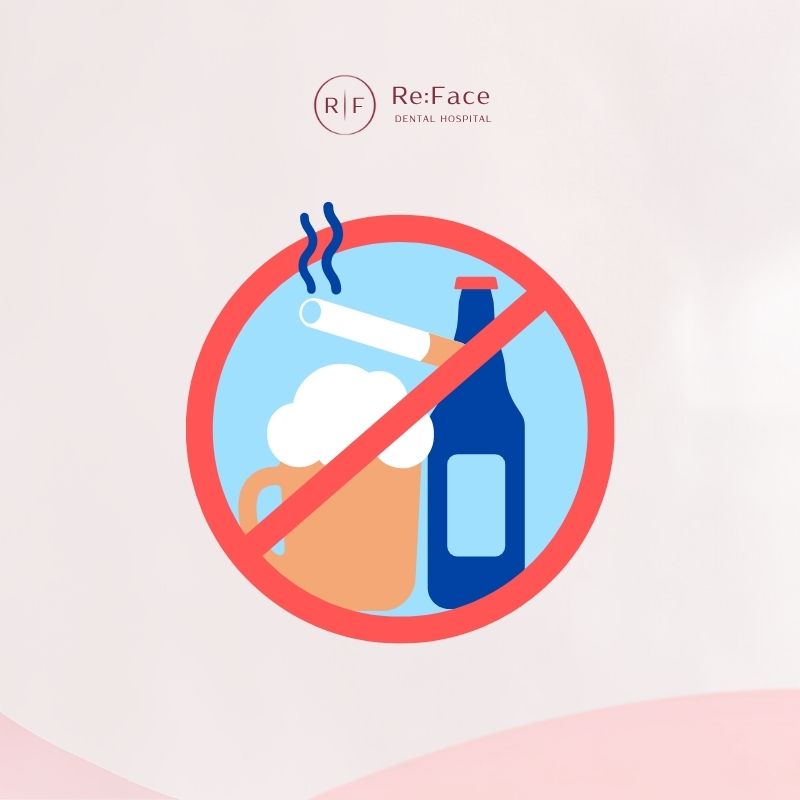
Smoking and Alcohol Restrictions: Patients should avoid smoking and drinking alcohol for at least 10–12 weeks after jaw surgery, or for the period recommended by their surgeon. Smoking can reduce blood flow to healing tissues and is associated with delayed bone and wound healing, while excessive alcohol consumption may also interfere with the body’s normal healing and recovery process.
Because jawbone healing and bone union are critical after orthognathic surgery, avoiding cigarettes, nicotine exposure, and alcohol during the recovery period can help support proper bone healing, tissue regeneration, and postoperative recovery
14. Titanium Plates and Screws Used for Bone Fixation After Orthognathic Jaw Surgery
Titanium Plates and Screws After Jaw Surgery
The plates and screws used for bone fixation after orthognathic surgery are typically made from medical-grade titanium, a highly biocompatible material widely used in OMFS. In many patients, titanium plates and screws can remain in the body long term without requiring routine removal, provided they do not cause symptoms or complications. Research does not support routine removal of asymptomatic titanium miniplates in every patient.
If a patient wishes to have the titanium plates removed after jaw surgery, the timing should be determined by the surgeon after confirming adequate jawbone healing and bone union. Removal is often considered after the bone has sufficiently healed—commonly around one year after orthognathic surgery, depending on the individual case. Plates that remain in place for a long period may become more firmly surrounded by bone or soft tissue, which can make later removal more technically difficult.
Bioresorbable plates and screws are also available as an alternative to conventional titanium fixation. These materials are designed to gradually break down in the body, eliminating the need for permanent metallic hardware. However, titanium fixation remains widely used because of its predictable mechanical strength and stability. Some biomechanical studies have found titanium fixation to withstand greater loads than certain absorbable systems.
At the same time, current clinical evidence does not show that all bioresorbable fixation systems are inherently inferior. Studies have reported comparable skeletal stability between biodegradable and titanium systems in selected orthognathic surgery cases, so the most appropriate jaw fixation system should be selected according to the surgical procedure, required fixation strength, and the surgeon’s clinical judgment.
15. Facial Expression Exercises During Orthognathic Jaw Surgery Recovery
- During the First 3 Weeks: Avoid laughing widely, smiling excessively, or stretching the mouth forcefully, as these movements may place excessive tension on the intraoral surgical incisions after orthognathic surgery and may increase the risk of wound irritation or reopening.
During the early jaw surgery recovery period, facial expressions should remain gentle until the surgical wounds and surrounding soft tissues have healed sufficiently. Follow your OMFS postoperative instructions regarding when normal facial movements and facial expression exercises can be resumed.- From Week 4 Onward: Patients may begin facial expression exercises after orthognathic surgery, as directed by their surgeon. Practice in front of a mirror by smiling gently and lifting the corners of the lips upward toward the cheekbones, while aiming to show more of the upper teeth than the lower teeth when smiling.
These facial muscle rehabilitation exercises may be particularly useful for patients with facial asymmetry, as mirror-guided practice can help retrain facial muscle coordination and encourage more symmetrical facial expressions. Gentle facial movement may also support recovery as postoperative swelling and soft tissue stiffness gradually improve.
Patients should begin these exercises only after receiving approval from their OMFS, since the timing of rehabilitation can vary depending on bone healing and the individual surgical plan.
Although the postoperative care instructions after orthognathic surgery may seem detailed, the most important principles are to pay close attention to your body, monitor any unusual symptoms, and strictly follow the instructions provided by your OMFS throughout the recovery period.
If you notice any abnormal symptoms, unexpected swelling, severe pain, bleeding, breathing difficulty, fever, or other concerns during jaw surgery recovery, contact the hospital or your surgical team as soon as possible for proper evaluation and guidance.
At REFACE Oral and Maxillofacial Surgery (OMFS) Hospital, we hope every patient experiences a safe and smooth orthognathic surgery recovery and can return to everyday life with a healthy, comfortable, and confident smile.
Source: Column by REFACE Oral and Maxillofacial Surgery (OMFS) Hospital