


How Long Do Bruises Last? Effective Ways to Reduce Bruising and Help Your Skin Recover Faster
By SEOULFACE21 Oral and Maxillofacial(OMFS) HOSPITAL
In everyday life, bruises can often appear on the body without us even realizing how they happened. This is especially common in people who frequently bump into the edge of a table, chair, or other objects, as even minor impact can easily cause small bruises, skin discoloration, or blue-purple marks to develop.
However, when bruising is caused by something more significant than a minor everyday accident—such as a serious injury or recent plastic surgery—the bruises may be larger, darker, and more noticeable. In addition to the visible blue, purple, or dark discoloration, the bruised area may also feel tender or painful even with light pressure.
For this reason, many people look for effective ways to reduce bruising, speed up bruise healing, and support recovery after surgery or cosmetic procedures. Proper postoperative bruise care can be especially important, as significant bruising may take longer to fade while the skin and surrounding tissues gradually recover.
What Causes Bruising? Common Causes of Bruises After Injury, Surgery, and Cosmetic Procedures
To understand how long bruises take to heal, it is important to first understand what causes bruising. The purple, green, or blue discoloration that appears on the skin is usually caused by damage to small blood vessels beneath the skin.
When these tiny blood vessels or capillaries are damaged, blood can leak into the surrounding tissues, resulting in the visible skin discoloration known as a bruise (contusion).When the body is struck or subjected to external impact, small blood vessels and capillaries beneath the skin can rupture, causing blood to leak into the surrounding soft tissues. As this blood collects under the skin, it creates the visible blue, purple, or dark discoloration associated with bruising (contusion).
In more pronounced cases, the accumulated blood may form a localized hematoma, which can make the bruised area appear darker, swollen, or more tender.Why Do Bruises Change Color as They Heal?
In the early stages, a bruise may appear red, dark purple, or bluish because the freshly leaked blood beneath the skin still contains a high concentration of hemoglobin. As the bruise begins to heal, the body gradually breaks down and reabsorbs the trapped blood and hemoglobin.
During the bruise healing process, the discoloration may gradually change from blue or purple to green, yellow, and eventually brown as blood pigments are broken down. These changing bruise colors are a normal part of the healing process and generally indicate that the bruise is gradually fading and being absorbed by the body.The severity and duration of bruising can vary from person to person, even after the same level of impact. People with thin skin or more fragile blood vessels may bruise more easily, while those with blood-clotting disorders or who take certain medications that affect bleeding—such as aspirin or anticoagulants (blood thinners)—may also be more prone to easy bruising and prolonged bleeding.
In these cases, more blood may leak into the surrounding tissues, making the bruise appear larger or darker and potentially increasing the time it takes for bruising to fade and heal.
Bruise Healing Timeline: How Long Does It Take for a Bruise to Go Away?
- Day 1–2: The bruise usually begins with a reddish or pinkish color and may gradually become darker during the first 1–2 days as blood collects beneath the skin. Bruise color can vary depending on skin tone, the severity of the injury, and the amount of bleeding under the skin.
- Day 2–5: The bruise may gradually change to a dark blue or purple color as the blood trapped beneath the skin begins to break down and the hemoglobin undergoes changes during the bruise healing process. The exact timing and color progression can vary from person to person.
- Day 6–10: The bruise may gradually turn greenish-yellow as the trapped blood continues to break down and the body reabsorbs the blood pigments. This color change is a normal part of the bruise healing process.
- Day 10–14: The bruise may gradually fade to a light yellow or brown color as the body continues to break down and reabsorb the trapped blood. In many cases, the discoloration will continue to lighten and gradually disappear on its own as the bruise completes the healing process.
- On average: Most minor bruises will fade naturally within about 2 weeks. However, the exact bruise healing time can vary depending on the severity of the injury, the amount of bleeding under the skin, age, skin condition, medications, and individual healing ability.
How to Reduce Bruising and Speed Up Skin Recovery: Tips for Faster Bruise Healing
If you want to help bruises fade faster, shorten bruise healing time, or prevent bruising from spreading, there are several simple bruise care and recovery methods you can follow. These tips can help reduce swelling, minimize discoloration, support blood reabsorption, and promote faster skin recovery.
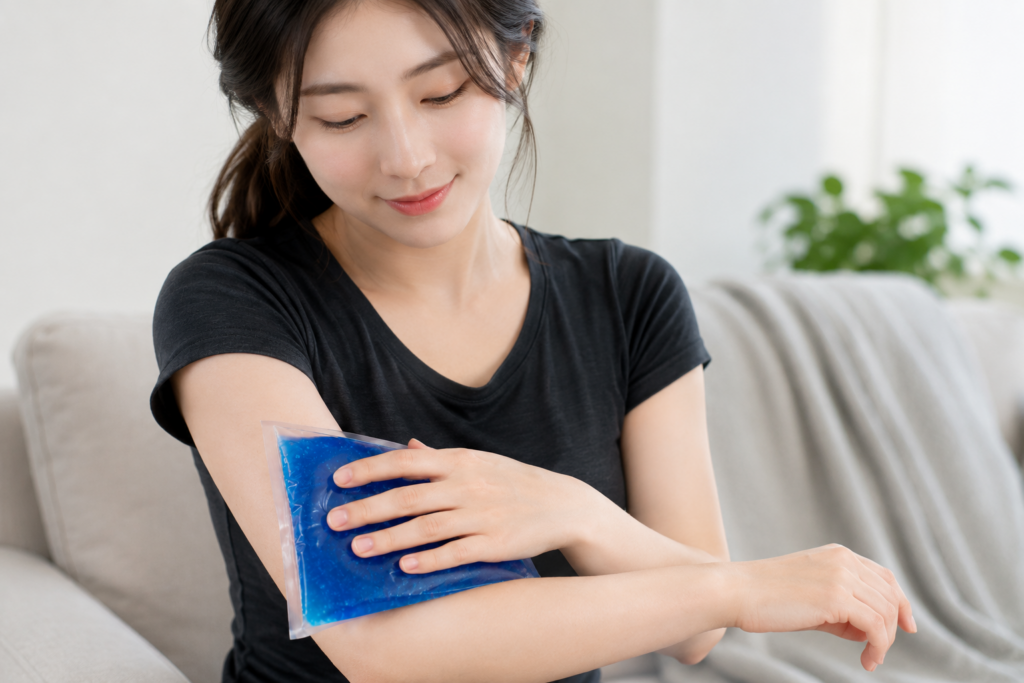
1. Cold Compress for Bruise Reduction (During the First 24–48 Hours)
If the injury has just occurred, apply a cold compress as soon as possible. Cold therapy can help constrict blood vessels, reduce blood flow beneath the skin, limit the spread of bruising, and decrease swelling.
For best results, use a cold compress regularly during the first 24–48 hours after injury, especially during the early stage of the bruise healing process.In addition, gently wrapping the injured area with an elastic compression bandage may help provide light pressure, reduce swelling, and limit further bleeding into the surrounding tissues. The bandage should not be wrapped too tightly, as excessive compression may restrict circulation.
2. Switch to a Warm Compress (After 48 Hours)
After the first 48 hours, you can switch from a cold compress to a warm compress. Apply a warm towel or heating pad gently to the bruised area. The warmth can help increase local blood circulation, which may support the body’s natural process of breaking down and reabsorbing blood trapped beneath the skin.
Using a warm compress for bruises after 48 hours may also help reduce stiffness and support the later stages of bruise healing and skin recovery.3. Elevate the Bruised Area Above Heart Level
If possible, keep the bruised or injured area elevated above heart level by supporting it with a pillow or cushion. Elevation can help reduce local blood pressure and fluid buildup, which may decrease swelling and limit further pooling of blood in the injured tissues.
This simple bruise care technique can support the body’s natural healing process and may help the bruise fade more quickly.
Common Bruise Myth: Rubbing a Bruise with a Boiled Egg

Many people have seen in movies or TV dramas that when the face or eye area becomes bruised, they should quickly rub the bruise with a boiled egg. However, this is not recommended, especially during the early stage of an injury.
Massaging, rubbing, or applying firm pressure to a fresh bruise may further irritate the injured tissues and potentially worsen damage to the small blood vessels and capillaries beneath the skin, which can make bruising, swelling, and discoloration more pronounced.
Instead of rubbing the area, it is generally better to avoid unnecessary pressure and follow appropriate bruise care, such as using a cold compress during the first 24–48 hours and switching to a warm compress afterward, as appropriate.
Pharmacy Remedies and Foods That May Help Reduce Bruising
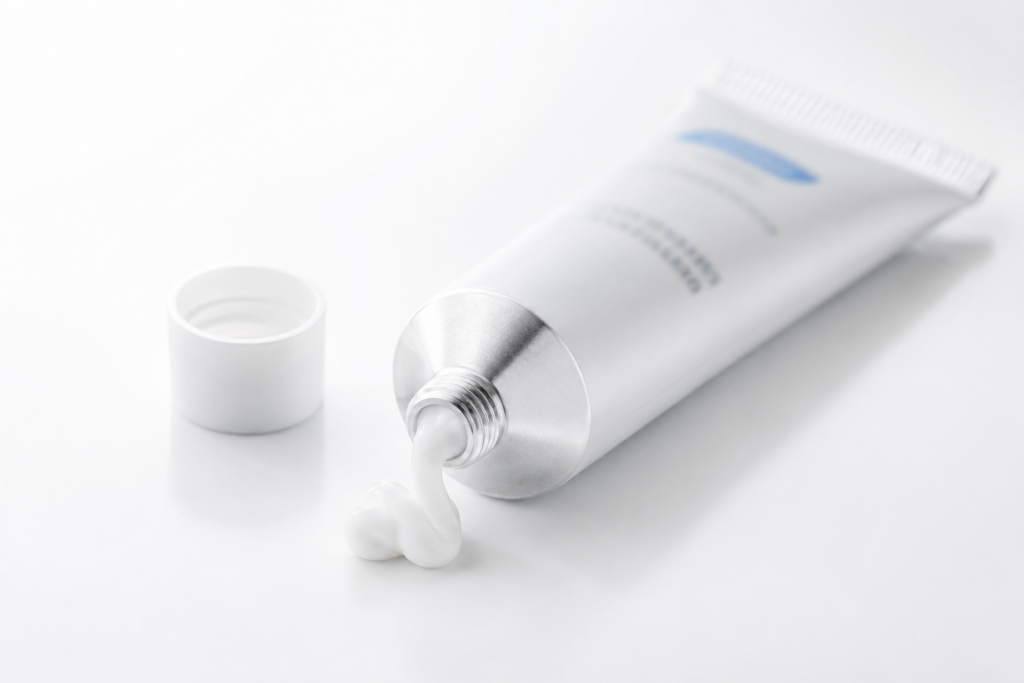
- Apply a Bruise-Reducing Cream (Vitamin K Cream): Some pharmacies carry topical bruise creams and vitamin K creams designed for bruise care and postoperative bruising. Certain studies suggest that topical vitamin K may help reduce the severity or duration of bruising in some situations, although the evidence is mixed and results can vary depending on the cause of the bruise and the product used.
Products containing vitamin K or selected botanical ingredients may be used as supportive bruise treatment to help improve the appearance of skin discoloration, swelling, and bruising, but they should be used according to the product instructions or the advice of a pharmacist or surgeon, particularly after a cosmetic or surgical procedure.- Consider Vitamin C and Vitamin K from Food or Supplements: Vitamin C supports collagen production and normal connective tissue, including blood vessel structure, while vitamin K plays an essential role in normal blood clotting. Foods rich in these nutrients—such as oranges, broccoli, spinach, and other leafy green vegetables—can help support normal skin and blood vessel health during recovery.
For most people, obtaining these vitamins from a balanced diet is preferable. Vitamin supplements should not be assumed to make bruises disappear faster, and anyone taking warfarin or other anticoagulant medication should consult a healthcare professional before changing their vitamin K intake because vitamin K can interact significantly with these medications.We hope this guide to the causes of bruising, bruise healing time, and effective ways to reduce bruising helps you manage bruises more appropriately and support a smoother recovery. With proper bruise care, swelling management, and skin recovery, the discoloration can gradually fade as your skin returns to a clearer, healthier-looking appearance.
Source: Column by SEOULFACE21 ORAL AND MAXILLOFACIAL(OMFS) Hospital