Jaw Surgery Side Effects & Complications You Should Know EP.2 By REFACE ORAL AND MAXILLOFACIAL(OMFS) HOSPITAL
Welcome back to our series on jaw surgery side effects and complications. As mentioned in the previous episode, most postoperative symptoms after jaw surgery are not necessarily more frequent or more severe than those seen with other major surgical procedures.
However, because many patients experience these symptoms for the first time, they may understandably feel anxious or concerned during the jaw surgery recovery process. In this article, we will continue to explain the possible postoperative symptoms, side effects, and complications of orthognathic surgery with clear, medically grounded information to help patients better understand what to expect after surgery.
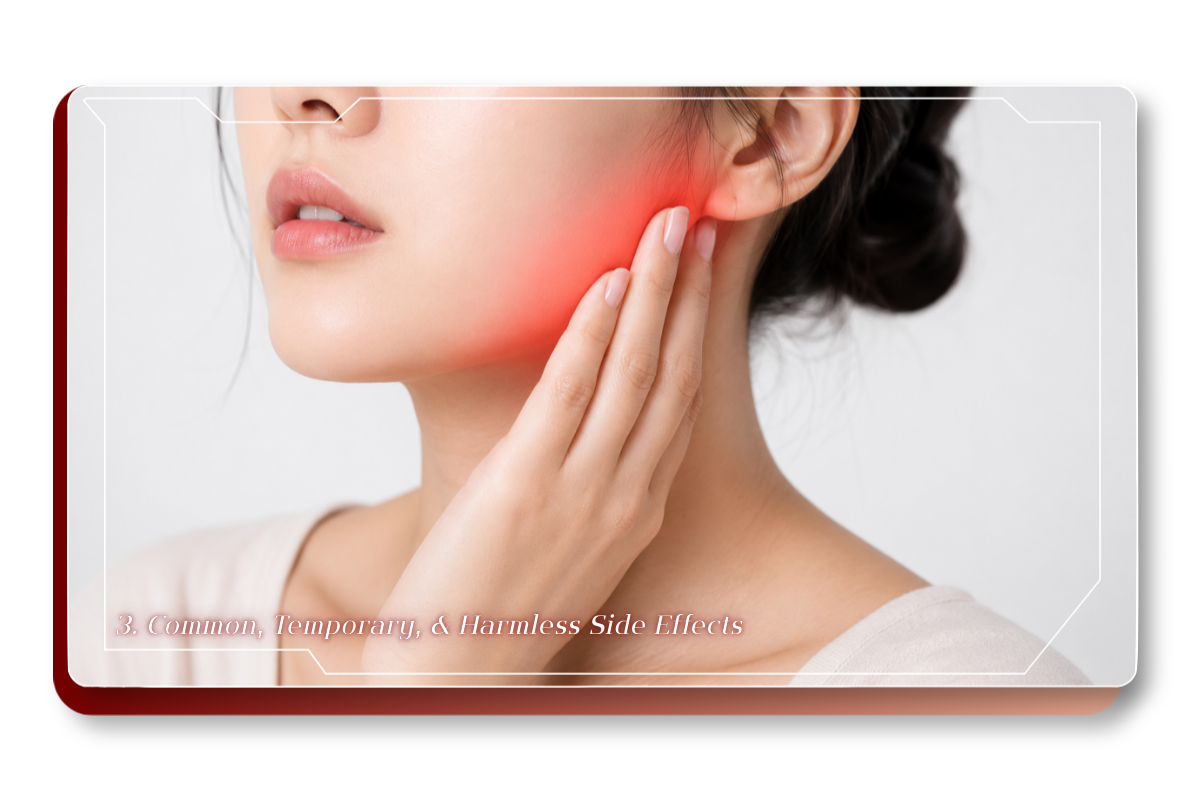
In this episode, we will take a closer look at Category 3 of jaw surgery side effects—symptoms that are very common, generally not dangerous, and usually improve on their own over time. There are 11 common postoperative symptoms after jaw surgery in this category. Understanding them in advance can help patients know what to expect during the jaw surgery recovery process and prepare for postoperative care with greater confidence.
Common but Temporary and Generally Non-Serious Side Effects After Jaw Surgery
1. Pain After Jaw Surgery Pain after jaw surgery can generally be divided into two main types. The first is pain from the soft tissues inside the mouth, caused by the surgical incisions. This may feel like throbbing, soreness, or tenderness and can become more noticeable when talking or moving the mouth. The second is cheek muscle pain, which can occur because the facial and jaw muscles are stretched or placed under tension during surgery. In the early stage of jaw surgery recovery, the jaw muscles may still feel weak. If you try to clench your teeth or use excessive force, the discomfort may spread around the cheeks and, in some cases, contribute to a headache. These symptoms are generally part of the normal postoperative recovery process, but pain that becomes severe, persistent, or suddenly worsens should be discussed with the surgical team.
2. Swelling and Bruising After Jaw Surgery After jaw surgery, facial swelling typically increases during the first few days and may peak around day 3 after surgery. The amount of swelling varies from person to person depending on individual healing, the extent of the procedure, and the degree of soft-tissue trauma during surgery. By around 10 days after jaw surgery, a large portion of the initial swelling may have subsided. During this stage of the jaw surgery recovery process, bruising may spread from beneath the chin down toward the neck. This can occur as part of the normal postoperative healing process. Residual swelling usually decreases more gradually. It may take approximately 1–3 months for the remaining swelling to settle and for the facial contour to become more stable, although the exact orthognathic surgery recovery timeline can vary for each patient.
3. Numbness and Sensory Nerve Changes After Jaw Surgery
Upper Lip Numbness After Jaw Surgery Numbness of the upper lip after jaw surgery can occur when the infraorbital nerve, which supplies sensation to the upper lip, nose, and area beneath the eyes, is temporarily affected during surgery. This is a common sensory change after upper jaw surgery. The numbness may initially involve a relatively wide area, extending from the upper lip and nose to the area beneath the eyes. Over the following 1–2 months, sensation often begins to return gradually as the nerve recovers, although the exact recovery time can vary from person to person. As sensation returns, patients may notice temporary tingling, prickling, or electric-shock-like sensations in the affected area. These sensations can occur as part of sensory nerve recovery after jaw surgery. Gentle sensory stimulation of the skin may sometimes be recommended during recovery, but patients should follow their surgeon’s specific instructions regarding sensory nerve rehabilitation after orthognathic surgery.
Numbness of the Palate After Jaw Surgery After jaw surgery, the sensory nerves around the palate may be stretched, irritated, or otherwise temporarily affected during the procedure. As a result, many patients may experience temporary numbness or reduced sensation in the roof of the mouth during the early recovery period. Over time, sensation in the palate may gradually return as the nerves recover, while some patients may simply become accustomed to the altered sensation. In most cases, this temporary sensory change does not significantly interfere with everyday activities. Reduced sensation inside the throat may also create a feeling of fullness, tightness, or swelling in the throat, even when there is no significant physical swelling present. This sensation may be related to temporary numbness and altered sensory perception after surgery and generally improves as the jaw surgery recovery process progresses.
Lower Lip Numbness After Jaw Surgery Numbness of the lower lip after jaw surgery can occur when the inferior alveolar nerve, which provides sensation to the lower lip and chin area, is stretched, compressed, or irritated during surgery. Because this nerve can be particularly sensitive to surgical manipulation, sensory recovery may take longer in the lower lip than in some other areas. For this reason, protecting the inferior alveolar nerve is an important consideration during lower jaw surgery. When people refer to persistent numbness or altered sensation after orthognathic surgery, they are often referring to changes involving this nerve. Recovery varies considerably from person to person. Some patients may begin to notice improvement within approximately 3 months, while others may require a much longer period for sensation to recover. Factors such as the degree of nerve irritation or injury, individual healing capacity, and age may influence the recovery timeline. In selected cases, the medical team may recommend supportive measures, including certain nutritional supplements, as part of postoperative care. However, these should be taken only under medical guidance. If numbness persists or changes unexpectedly, patients should continue follow-up with their surgeon to monitor sensory nerve recovery after jaw surgery.
Facial Motor Nerve Changes After Jaw Surgery The facial nerve, which controls the muscles responsible for facial expressions, is very unlikely to be damaged during jaw surger. However, if this motor nerve is affected, the muscles in the involved area may temporarily become weak or difficult to move. Depending on the location, this may cause the upper or lower lip to feel stiff or difficult to move. In some cases, movement of the eyelids or eyebrows may also be affected. However, problems involving eyelid or eyebrow movement are generally more commonly associated with cheekbone reduction surgery (zygoma reduction) than with orthognathic jaw surgery.
4. Dietary Restrictions During Jaw Surgery Recovery During the first 4 weeks after jaw surgery, patients generally need to follow a liquid or pureed diet. In the first few days, even swallowing water may feel difficult, so some patients may need time to gradually practice and adapt to swallowing again. Maintaining adequate nutrition is an important part of jaw surgery recovery. If eating becomes difficult and food intake drops too much, recovery may slow and the patient may feel weak or fatigued. For this reason, it is important not to neglect nutrition during the postoperative period. If solid food intake is limited, patients should focus on adequate hydration and, when recommended by their medical team, use nutrient-dense drinks or liquid nutritional supplements to help support recovery. After approximately 4 weeks, patients may gradually begin transitioning to soft foods, such as porridge or other easy-to-chew meals, according to their surgeon’s postoperative instructions.
5. Difficulty Chewing or an Unstable Bite After Jaw Surgery Immediately after jaw surgery, patients are generally not able to chew normally. The jaw joints may need approximately 1–2 months to adapt to their new position and become more stable during the healing process. Chewing too early, especially during the first month, may place unnecessary stress on the healing jaw and surgical area. In addition, the muscles surrounding the jaw are still recovering, which means chewing strength may remain limited for some time. Another factor is pre-surgical orthodontic treatment. Because the upper and lower teeth may not yet fit together perfectly immediately after surgery, the bite can initially feel uneven or unstable. As healing progresses and postoperative orthodontic treatment continues, the bite generally becomes more stable and functional over time.
6. Dry Lips and Lip Irritation After Jaw Surgery During jaw surgery, surgical instruments are used to keep the mouth open, which can stretch the lips and cause temporary irritation, minor abrasions, peeling, or cracking around the lip area. In the early stage of jaw surgery recovery, patients may also need to breathe through the mouth more frequently, which can make the lips become dry more easily. For this reason, keeping the lips moisturized is an important part of postoperative care. Applying lip balm or petroleum jelly regularly can help reduce dryness and protect irritated skin while the lips recover.
7. Jaw Joint Pain, Clicking Sounds, and Limited Jaw Movement Some people may assume that facial asymmetry is directly caused by a problem with the jaw joint and may consider jaw surgery as a way to treat joint pain. However, facial asymmetry and temporomandibular joint (TMJ) disorders are not always directly related as cause and effect. After jaw surgery, the jaw joints may be temporarily affected as they adapt to changes in jaw position. During the early jaw surgery recovery period, patients may experience joint pain, tightness, or clicking sounds around the jaw or ear for approximately 2–3 weeks. These symptoms often improve gradually as the joints adapt and become more stable. During the first month, the ability to open the mouth may still be limited, and patients should avoid forcing the jaw open beyond the range recommended by their surgeon. After the first month, the medical team may begin recommending jaw-opening exercises and jaw rehabilitation to help the muscles and joints gradually adapt and restore normal function as much as possible.
8. Ear Fullness or a Blocked-Ear Sensation After Jaw Surgery A feeling of ear fullness, pressure, or blockage can occur after upper jaw surgery (maxillary orthognathic surgery). This may happen because the Eustachian tube, which helps regulate pressure and ventilation in the middle ear, may not function normally for a short period after surgery. Patients may be encouraged to practice gentle swallowing to help equalize ear pressure. Any other pressure-equalizing technique should only be performed according to the surgeon’s postoperative instructions, particularly after upper jaw surgery. Even without specific treatment, this sensation often improves gradually as the body recovers. Some patients may also experience a deep aching sensation around the ear, which can be related to temporary swelling of the nearby temporomandibular joint (TMJ). This discomfort generally improves as the swelling decreases and the jaw joint adapts during the jaw surgery recovery process.
9. Difficulty Closing the Lips Completely After Jaw Surgery After jaw surgery, some patients may temporarily have difficulty closing their lips completely. This can happen because of swelling and the relatively wide surgical incision inside the lip area, which may make lip movement feel tight, stiff, or unnatural during the early recovery period. If the lips are not moved at all, speaking and swallowing may become more difficult. The surgical incision is generally closed in a way that supports normal lip position, but patients may still need time for the surrounding muscles to recover. During jaw surgery recovery, patients may be advised to gradually practice gentle lip movements and closing the mouth according to their surgeon’s instructions. Although the lips may initially feel tight or harder to control than before surgery, this is generally a temporary postoperative symptom that improves as swelling decreases and the lip muscles recover.
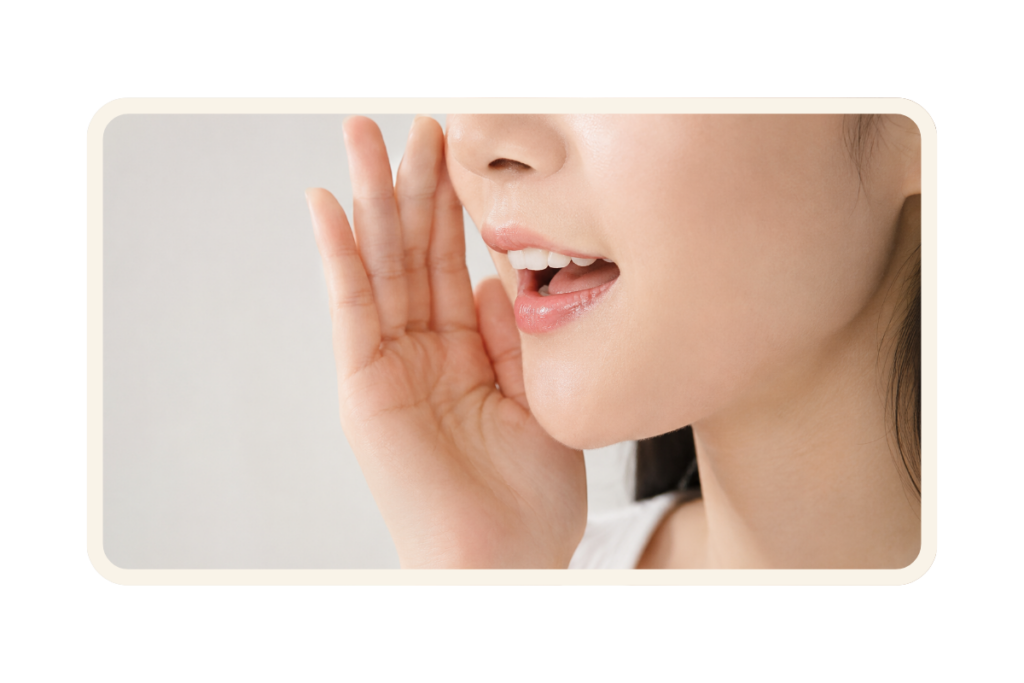
10. Temporary Speech Difficulty After Jaw Surgery After jaw surgery, particularly when the position of the upper jaw is changed, the structure and available space inside the mouth may feel different during the early recovery period. Patients may notice that the tongue does not contact the roof of the mouth in quite the same way as before, which can temporarily make speech less clear or certain sounds more difficult to pronounce. Regular speech and pronunciation practice, as recommended by the surgical team, can help the tongue gradually adapt to the new jaw position. As healing progresses and the oral muscles adjust, speech clarity generally improves and pronunciation becomes more natural again.
11. Difficulty Swallowing After Jaw Surgery During the first week after jaw surgery, patients may experience a warm, irritated, or swollen sensation in the throat. Combined with the need to adapt to the new jaw position, this can make swallowing saliva, liquids, or food more difficult during the early recovery period. Patients may be advised to practice swallowing regularly as part of jaw surgery recovery. This can be combined with gentle exercises such as practicing lip closure and placing the tongue against the roof of the mouth, according to the surgical team’s instructions. These exercises can help the oral and swallowing muscles gradually adapt to the new jaw position, allowing swallowing function to become more comfortable and natural over time.