


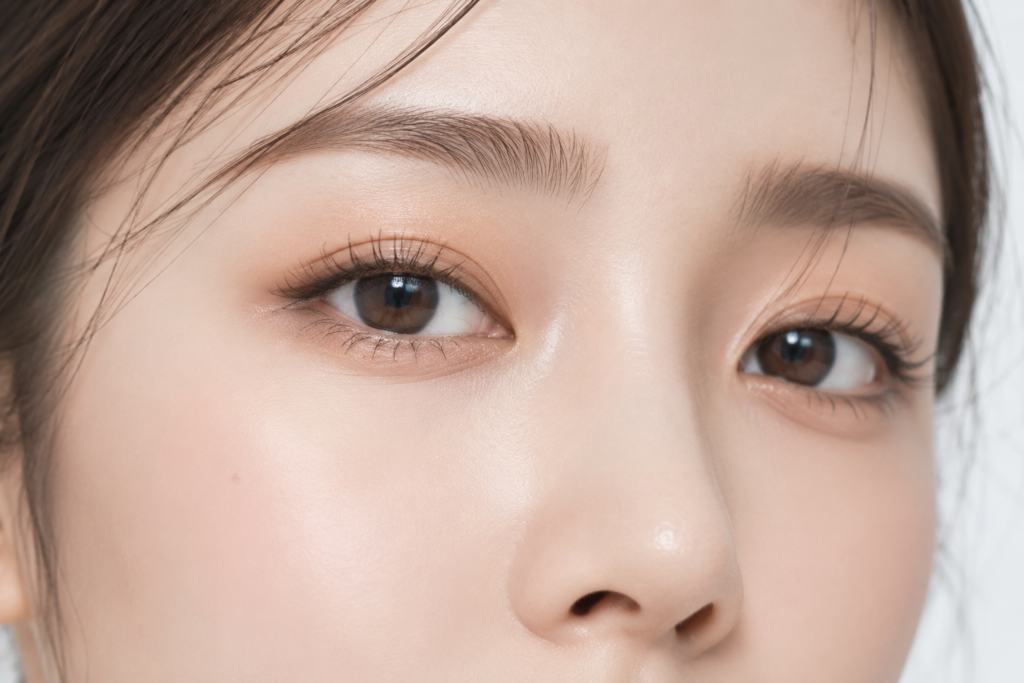
Refresh Your Look : 3 Korean Double Eyelid Surgery Techniques
By Noh Jong Hoon Plastic Surgery (NJH Plastic Surgery)
The eyes are often one of the first facial features people notice when meeting someone. Clear, attractive eyes can strongly influence a first impression because the eye area plays an important role in expressing emotions and overall facial expression.
Even a subtle change in eye shape or eyelid structure can noticeably affect the balance of the face and the way a person’s appearance is perceived. Larger, more defined, and brighter-looking eyes can help create a fresher, more approachable overall look.
For this reason, procedures such as eyelid surgery and double eyelid surgery are often considered not only for changing the eyelid crease, but also for improving overall eye shape, facial harmony, and expression in a way that suits each individual.For this reason, eyelid surgery has become one of the most popular and widely accepted cosmetic procedures. Current trends in double eyelid surgery and Korean eyelid surgery focus on creating results that look soft, natural, and well balanced—as if no surgery had been performed at all.
Rather than simply creating a higher eyelid crease, modern techniques aim to make the eyes appear larger, more open, and brighter, while maintaining harmony with the rest of the face. The goal is a natural-looking eye shape that helps the overall facial appearance look softer, fresher, and more refined.
Ideal Eye Proportions According to Facial Aesthetics
According to facial aesthetics and ideal eye proportions, attractive and well-balanced eyes are often evaluated using several key reference points, including the size, shape, spacing, and overall symmetry of the eyes in relation to the face.
- The horizontal eye width should ideally measure approximately one-fifth of the total facial width.
- In general, the average horizontal eye width among Asians is approximately 2.6–3.2 cm.
- The ideal ratio of vertical eye height to horizontal eye width is approximately 1:2.5.
- The distance between the eyes should ideally be approximately equal to the width of one eye.
However, achieving beautiful and natural-looking eyes requires more than following ideal proportions alone. A successful eyelid surgery or double eyelid surgery plan should be based on a detailed analysis of the individual’s facial features, eye shape, eyelid anatomy, and overall facial harmony.
By considering how the eyes balance with the other facial features, the surgical approach can be customized to create a result that looks more natural, harmonious, and well suited to each individual.
3 Main Double Eyelid Surgery Techniques

Double eyelid surgery is one of the most commonly performed types of eyelid surgery. The procedure can generally be divided into three main double eyelid surgery techniques, selected according to each individual’s eyelid anatomy, skin condition, and desired outcome.
1. Non-Incisional Suture Technique (Buried Suture Double Eyelid Surgery)
This non-incisional double eyelid surgery technique creates an eyelid crease by connecting the levator muscle, which helps open the eyes, to the eyelid skin through the tissues beneath the surface. Because the procedure is performed without a skin incision, it generally involves less swelling and bruising, allows for a faster recovery, and can create a natural-looking double eyelid crease without a visible incision scar.
At NJH Plastic Surgery, a single-knot continuous suture technique is used. The suture is passed continuously along the intended eyelid crease and secured with a single, firm knot. This approach is designed to create a stable and well-defined crease while reducing the risk of the double eyelid fold loosening or disappearing over time.2. Incisional Double Eyelid Surgery Technique
This incisional double eyelid surgery technique involves designing the desired eyelid crease and making a precise incision along the planned fold. Because the surgeon can directly access and visualize the internal eyelid anatomy, the procedure allows for more detailed adjustment of the underlying tissues.
It is particularly suitable for patients with thicker eyelid fat, excess upper eyelid skin, or drooping eyelids that may require tissue removal or reshaping. By addressing these structural factors, the technique can create a more defined and stable double eyelid crease with long-lasting results.3. Partial Incision Double Eyelid Surgery Technique
This partial incision double eyelid surgery technique combines the advantages of both non-incisional suture methods and full incisional surgery. The surgeon makes a very small incision to remove excess eyelid fat and adjust selected tissues, then places the sutures more deeply and securely than with a standard buried-suture technique.
This approach can help create a more stable double eyelid crease with a lower risk of the fold loosening over time, while still offering a relatively shorter recovery period with less swelling and bruising than a full incisional procedure.
Personalized Eye Analysis and Customized Eyelid Surgery Solutions

Because eyelid anatomy and eye shape vary from person to person, the surgeon should select the most appropriate eyelid surgery technique based on each individual’s specific concerns, tissue characteristics, and desired outcome.
- Thin, Elastic Eyelid Skin: Patients with thin eyelid skin and good elasticity are often good candidates for a natural-looking double eyelid surgery result. If there is no significant eyelid ptosis or excess skin, a non-incisional buried suture technique may be suitable. This method typically allows for a faster recovery with less swelling and a shorter healing period.
- Thick or Full Upper Eyelids: This appearance may be caused by excess eyelid fat, thicker skin, or prominent eyelid muscles. If excess fat is the main concern, the surgeon may remove a small amount of fat through a minimal opening and combine it with a non-incisional double eyelid suture technique.
However, when the fullness is mainly caused by thick skin or muscle tissue, an incisional double eyelid surgery approach or eyelid muscle correction may be more appropriate. These techniques allow the underlying eyelid structures to be adjusted more thoroughly and can help create a more stable double eyelid crease with a lower risk of the fold loosening over time.- Wide-Set Eyes: A wider distance between the eyes is often associated with an epicanthal fold that partially covers the inner corners of the eyes, making the eyes appear farther apart.
Combining double eyelid surgery with medial epicanthoplasty (inner corner eye surgery) can help make the eyes appear longer, more open, and naturally balanced. Modern medial epicanthoplasty techniques are designed to place the incision discreetly around the inner eye area, and the visible scar typically becomes less noticeable as healing progresses.- Upturned Outer Eye Corners: When the outer corners of the eyes are positioned too high, the eyes may appear sharper or more intense. This can occur when the lateral canthal tendon attaches to the orbital bone at a relatively high position.
In more pronounced cases, lateral canthoplasty or lateral canthal repositioning may be considered to lower and adjust the position of the outer eye corner. This can help create a softer, more balanced eye shape while maintaining harmony with the individual’s overall facial features.- Prominent or Protruding Eyes: For individuals with naturally prominent eyes, the double eyelid crease may appear higher or thicker than it actually is. For this reason, the eyelid crease should be carefully designed so that it does not sit too high, helping create a more balanced and natural-looking result.
In addition, if there is insufficient fat in the upper eyelid, the eyes may appear even more prominent or hollow. Therefore, during double eyelid surgery, excessive removal of upper eyelid fat should generally be avoided whenever possible. Preserving an appropriate amount of eyelid fat can help maintain a softer, more harmonious eye shape and upper eyelid contour.
Source: Column by Noh Jong Hoon Plastic Surgery (NJH Plastic Surgery)
#EyelidSurgery #EyeSurgery #DoubleEyelidSurgery #DoubleEyelids #NJHPlasticSurgery #NohJongHoonPlasticSurgery #BestDoubleEyelidSurgery #DoubleEyelidSurgeryReview #KoreanEyelidSurgery #MedialEpicanthoplasty #PtosisCorrection #DoubleEyelidTechnique #KoreanBeautyClinic #KoreanClinic #KoreanPlasticSurgeon #KoreanBeautyReview #KoreaMedicalAgency #KBeauty #KoreanAestheticProcedures #PlasticSurgeryKorea #KoreanPlasticSurgeryHospital