



Achieve a Soft Natural-Looking Nose Shape with Nasal Tip Surgery
By NJH Plastic Surgery (Noh Jong Hoon Plastic Surgery)
Aside from facial contour, which facial feature do you think has the greatest impact on your overall appearance? The answer is the nose.
Because the nose is positioned at the center of the face, it plays a major role in overall facial balance, symmetry, and definition. A well-proportioned nose with a refined bridge and natural shape can add more dimension to the face, create a softer and more harmonious appearance, and enhance the overall facial profile.
For this reason, rhinoplasty is often considered one of the key procedures for improving facial proportions. A naturally defined nose can also help create a more polished, modern, and confident overall look.The nose plays an important role in shaping a person’s first impression. Because of its central position and strong influence on overall facial balance, many people consider rhinoplasty or nose surgery to refine their features and achieve a more harmonious appearance.
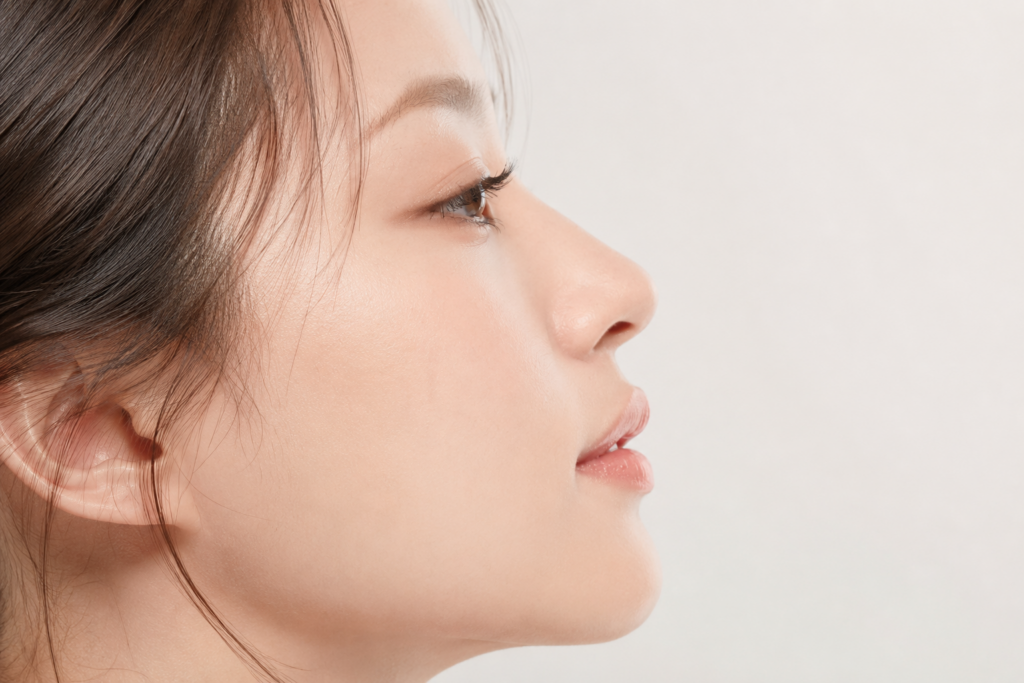
Today’s rhinoplasty trends are moving away from an overly high, sharply defined nasal bridge. Instead, the focus is on a natural nasal slope with a refined, slightly projected tip that blends harmoniously with the rest of the face.
A well-shaped nasal tip can help create a slimmer, more balanced facial appearance and may also make the overall face look visually smaller and more refined.Today, we’ll take a closer look at tip rhinoplasty techniques at NJH Plastic Surgery (Noh Jong Hoon Plastic Surgery) and how they can help create a more refined, balanced, and natural-looking nose.
What Is Tip Rhinoplasty?
Tip rhinoplasty is a surgical procedure that focuses specifically on reshaping the nasal tip to make it appear more refined, defined, elevated, or projected.
In many cases, surgeons use the patient’s own cartilage, such as septal cartilage or ear cartilage (auricular cartilage), to support and reshape the existing nasal tip structure. In certain cases, synthetic graft materials or implants may also be considered when appropriate.
These materials are carefully shaped and positioned to reinforce the nasal tip, improve projection and definition, and help create a stable, natural-looking result that complements the patient’s overall facial proportions.
How Nasal Tip Structure Works and the Steps of Tip Rhinoplasty
In general, surgeons use septal cartilage as a structural support for the nasal tip and carefully reshape the alar cartilage to achieve the planned contour, projection, and overall nasal tip design.
- When the alar cartilages are wide or separated: the nasal tip may appear low, broad, thick, or upturned. In these cases, surgeons may use an interdomal suture technique to bring the two sides of the alar cartilage closer together. This helps narrow and refine the nasal tip, creating a more defined and balanced appearance.
- When greater nasal tip projection is desired: the surgeon may use a cartilage graft, such as ear cartilage (auricular cartilage), and layer it over the nasal tip to create additional height and projection. Using the patient’s own cartilage can also help provide soft-tissue support and may reduce the risk of implant-related complications, such as excessive pressure or silicone extrusion, over time.
3 Specialized Nasal Tip Refinement Techniques at NJH Plastic Surgery

1. Nasal Tip Cartilage Reshaping
This technique is suitable for patients with wide or bulky nasal tip cartilage. The surgeon carefully trims and reshapes the cartilage to reduce excess width and create a more balanced, refined nasal tip contour.
2. Interdomal Suture Technique (Nasal Tip Cartilage Suturing)
When the left and right nasal tip cartilages are separated, suturing them closer together can help create a more defined, refined, and slightly elevated nasal tip with improved overall tip contour.
3. Subcutaneous Fat Reduction in the Nasal Tip
For patients with thick nasal tip tissue or a bulbous nose, the surgeon may carefully remove a small amount of subcutaneous fat from the nasal tip. This can help reveal the underlying nasal structure more clearly and create a more defined, refined, and slimmer-looking nasal tip.
Medical Precautions: Although tip rhinoplasty is generally considered a safe surgical procedure when performed by a qualified surgeon, there is still a risk of common postoperative complications such as bleeding, infection, swelling, or inflammation. The likelihood of these complications can vary depending on each patient’s health condition, healing response, and postoperative care.
For this reason, patients should carefully follow their surgeon’s rhinoplasty aftercare instructions to support proper healing, reduce the risk of complications, and help maintain the best possible long-term results.
Source: Column by NJH Plastic Surgery (Noh Jong Hoon Plastic Surgery)