



How to Reduce Swelling After Plastic Surgery: What’s the Best Order for Faster Recovery?
By SEOULFACE21 Oral and Maxillofacial(OMFS) HOSPITAL
After plastic surgery—whether double eyelid surgery, rhinoplasty, or facial contouring surgery—swelling and bruising are common during the recovery period. Many people therefore look for effective ways to reduce swelling after plastic surgery, support faster recovery, and return to their normal appearance as soon as possible.
Although plastic surgery has become increasingly common, most people naturally want to see their final results without having to wait too long for the swelling to subside. This is why cold compresses and warm compresses are among the most commonly searched methods of post-operative care after plastic surgery.
Because surgery creates controlled trauma to the body and surrounding tissues, proper aftercare plays an important role in recovery. Using cold and warm compresses at the appropriate stages can help support healing and reduce swelling after plastic surgery.Many people know that applying a compress can help after an injury or surgery, but it is still common to wonder: “After plastic surgery, should you use a cold compress or a warm compress first?” Some situations call for cold therapy, while others may benefit from warmth.
To make post-surgery care easier to understand, let’s first look at the role and benefits of cold compresses and warm compresses and when each method is typically used during recovery.
1. Warm Compress
Starting with a warm compress, heat therapy mainly helps relax tense muscles and promote blood circulation. It works in a similar way to soaking in warm water, which can help the body feel more relaxed and reduce stiffness.
By improving blood flow, a warm compress may help relieve muscle tightness, ease discomfort, and support recovery from lingering stiffness or inflammation, especially during the later stages of healing.
2. Cold Compress
In contrast, a cold compress causes the blood vessels to constrict, similar to how the body reacts when exposed to ice or very cold water.
This vasoconstriction can help control minor bleeding, reduce acute inflammation, and minimize post-operative swelling, making cold compresses especially useful during the early stage of recovery after plastic surgery.
How to Apply Compresses After Surgery: Cold First, Then Warm
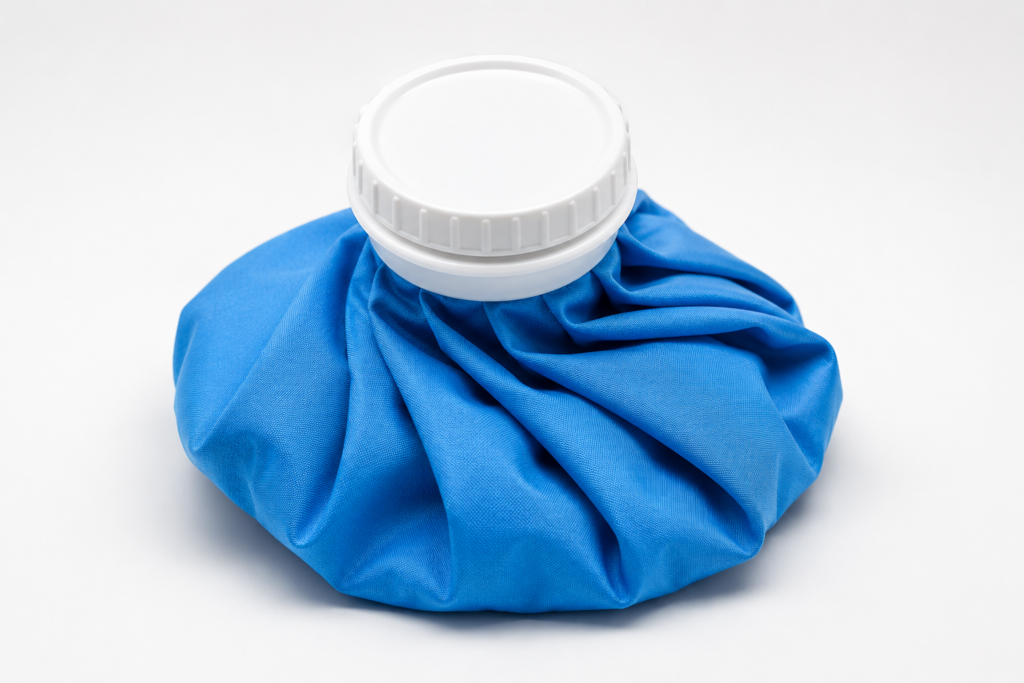
- During the first 1–72 hours (the first 3 days after surgery): Start with a cold compress. During this early recovery period, cold therapy can help reduce acute inflammation, limit minor bleeding beneath the skin, minimize bruising, and control post-operative swelling.
Using a cold compress correctly during the first few days may help keep swelling and bruising more manageable as the healing process continues.
- From Day 4 onward (after 72 hours): Switch to a warm compress. Once the initial bleeding risk has passed and the surgical area has begun to stabilize, warm compresses can help improve blood circulation and support tissue healing.
Better circulation may also help the body gradually clear residual bruising and discoloration, while supporting the overall recovery process and helping swelling resolve more smoothly.
Precautions When Using Cold or Warm Compresses After Surgery: How to Prevent Skin Burns and Further Irritation
Although compress therapy can be an effective way to reduce swelling after plastic surgery, using it incorrectly may cause skin irritation or even injury. One of the most important factors to pay attention to is temperature control, especially because the skin around the surgical area may be more sensitive during recovery.
- Avoid extreme temperatures: A compress that is too hot may cause skin burns, while excessive cold exposure can damage the skin and may lead to cold injury or frostbite.
- Do not apply the compress directly to the skin: Avoid placing a hot water bag, heating pad, ice pack, or cold gel pack directly on the surgical area. Always wrap it in a clean, soft towel or cloth before applying it to help protect sensitive post-surgical skin from burns, cold injury, and irritation.
- Use compresses for an appropriate amount of time: Avoid leaving a cold or warm compress on for too long in an attempt to speed up recovery. In general, 15–20 minutes per session is usually sufficient.
While applying the compress, check the skin regularly for any unusual redness, irritation, numbness, or discomfort, and stop if the area becomes overly sensitive.Remember, trying to reduce swelling and bruising too aggressively can do more harm than good. Excessive heat may cause skin burns, while prolonged or overly intense cold exposure can lead to cold injury or tissue damage, which may worsen the surgical area and require additional treatment.
To avoid unnecessary complications during post-operative recovery, compresses should be applied gently, at a safe temperature, and according to proper aftercare instructions.
How to Reduce Swelling Safely After Plastic Surgery
In general, the sequence of cold and warm compresses after surgery should follow the guidelines outlined above. However, the most important and reliable approach is to strictly follow the postoperative care instructions provided by your surgeon or medical specialist.
Because each patient’s physical condition and surgical technique are unique, cold or warm compresses may not be suitable for every case. In some situations, applying a compress could irritate the surgical area, interfere with wound healing, or increase the risk of side effects.
For the safest postoperative care and swelling management, it is best to consult your surgeon immediately after surgery and follow the specific aftercare instructions provided for your individual case.
In addition to cold and warm compresses, there are other postoperative recovery treatments that may help reduce swelling and support the healing process, such as medications for postoperative swelling, anti-swelling injections, and IV vitamin therapy for recovery.
When recommended by your doctor and used alongside appropriate aftercare, these treatments may help manage post-surgical swelling and bruising more effectively and safely.
Source: Column by SEOULFACE21 ORAL AND MAXILLO(OMFS) Hospital